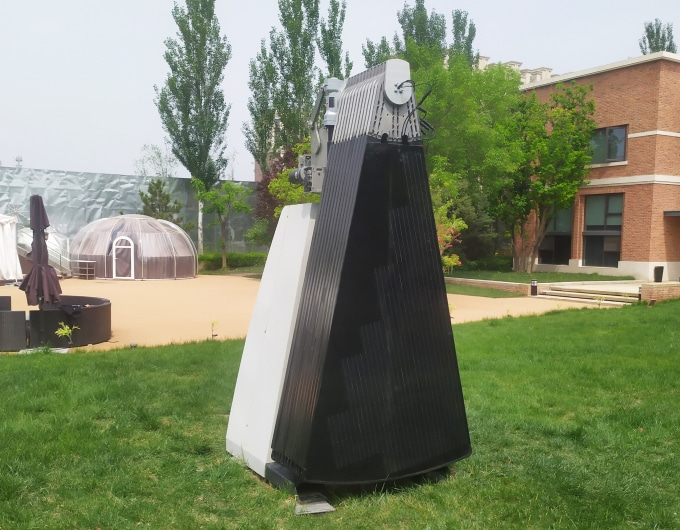
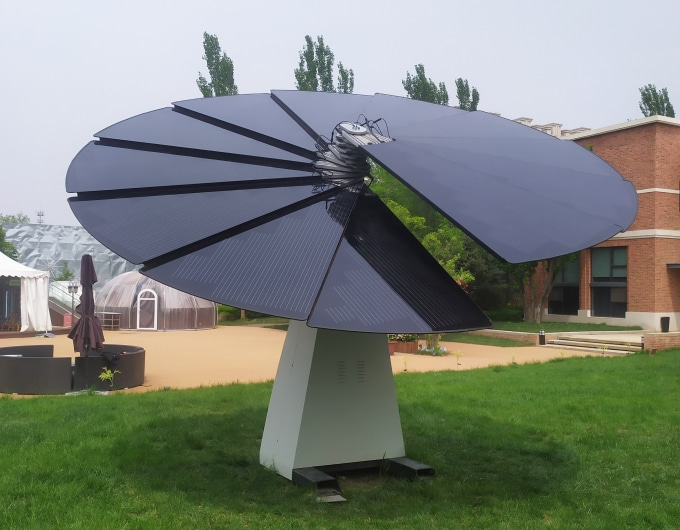
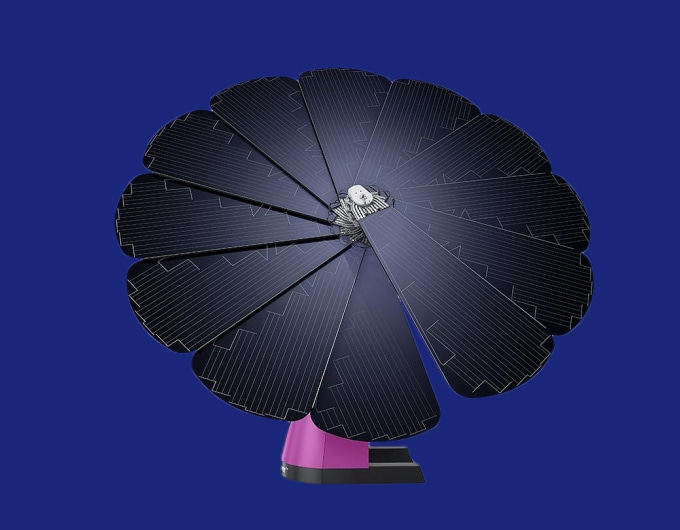
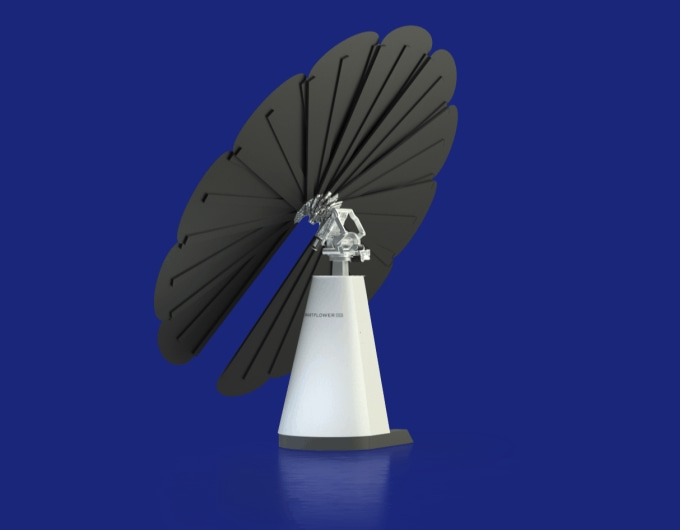
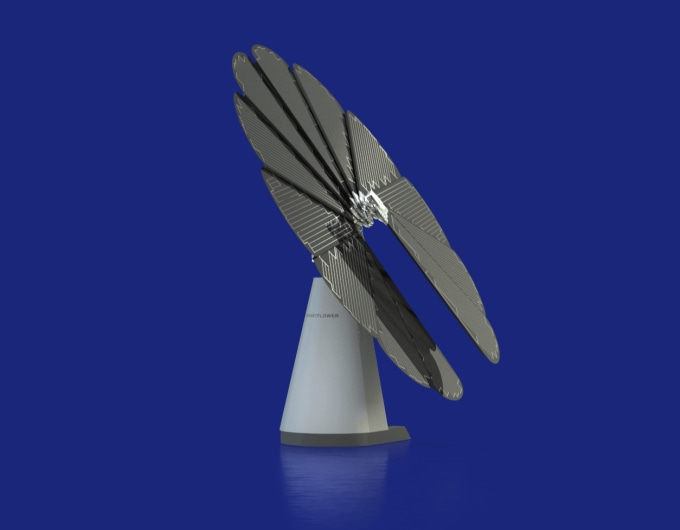
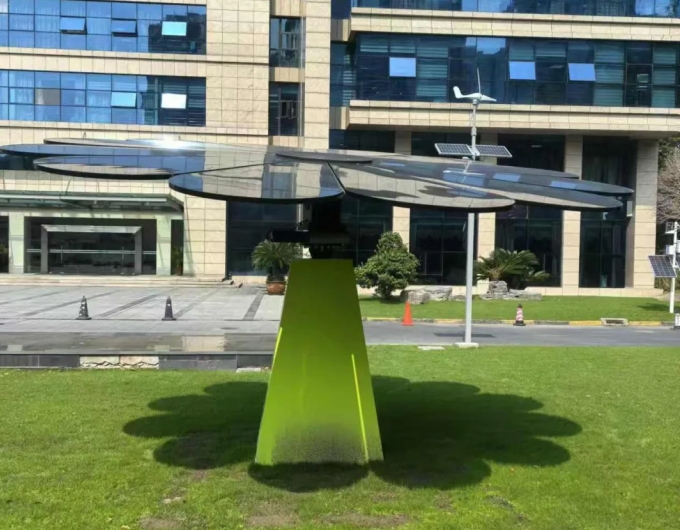
In the current wave of energy transition, solar power generation technology is developing at an unprecedented speed. Traditional photovoltaic panels have been widely used, but with the advancement of technology and changes in market demand, a new type of solar energy utilization device - photovoltaic flowers, is gradually emerging. Photovoltaic flowers not only have efficient energy conversion capabilities, but also integrate aesthetics and functionality, bringing users a brand new experience. However, many people are still curious about how the energy storage system of photovoltaic flowers works. This article on Zero Carbon Equipment Network will delve into the working principle and advantages of the energy storage system of photovoltaic flowers, helping you better understand this innovative technology.
1、 Basic components of energy storage system
The energy storage system of photovoltaic flowers mainly consists of the following parts:
-Photovoltaic panels: responsible for converting sunlight into electrical energy.
-Battery pack: stores the electrical energy generated by photovoltaic panels for emergency use.
-Inverter: Convert direct current (DC) to alternating current (AC) for use in household or commercial electrical equipment.
-Control system: Monitor and manage the operational status of the entire system to ensure effective utilization and storage of electrical energy.
2、 Workflow of energy storage system
1. Energy Conversion of Photovoltaic Panels
-Energy harvesting: Photovoltaic panels convert photons from sunlight into electrons through semiconductor materials such as silicon, generating direct current.
-Energy transmission: The generated direct current is transmitted to the inverter through cables or directly to the battery pack for storage.
2. Energy storage of battery pack
-Charging process: When the electricity generated by the photovoltaic panel exceeds the immediate demand, the excess electricity will be transported to the battery pack for storage. The battery pack converts electrical energy into chemical energy through chemical reactions and stores it inside the battery.
-Discharge process: When the electricity generated by the photovoltaic panel is insufficient or there is no light at night, the battery pack will convert the stored chemical energy back into electrical energy and output it through an inverter for user use.

3. Energy conversion of inverters
-Direct current to alternating current: The inverter converts the direct current provided by photovoltaic panels or battery packs into alternating current to meet the needs of household or commercial electrical equipment.
-Bidirectional inverter: Some advanced inverters also have bidirectional functionality, which can convert AC power from the grid to DC power when needed to charge the battery pack.
4. Intelligent management of control systems
-Real time monitoring: The control system monitors the working status of photovoltaic panels, battery packs, and inverters in real time through sensors, collects data, and analyzes it.
-Optimization scheduling: Based on the current lighting conditions, electricity demand, and battery status, the control system can automatically adjust the angle of the photovoltaic panel, the charging and discharging strategy of the battery, and the output power of the inverter to achieve efficient utilization of electrical energy.
-Fault detection: The control system can also promptly detect and report faults in the system for timely maintenance, ensuring the stable operation of the system.
3、 Advantages of energy storage systems
1. Improve energy utilization efficiency
-Balancing supply and demand: Energy storage systems can balance the volatility of photovoltaic power generation with users' electricity demand, ensuring the effective utilization of electricity at different time periods.
-Peak shaving and valley filling: During peak electricity consumption periods, energy storage systems can release stored energy, reduce dependence on the power grid, and lower electricity bills.
2. Enhance system stability
-Backup power supply: In the event of a power outage or grid failure, the energy storage system can serve as a backup power source to ensure the normal operation of critical equipment.
-Extend service life: Through reasonable charge and discharge management, energy storage systems can extend the service life of battery packs and reduce maintenance costs.
3. Intelligent management
-Remote monitoring: Through an intelligent control system, users can remotely monitor and manage the operating status of the system, and obtain data and alarm information in a timely manner.
-Data analysis: By utilizing big data and artificial intelligence technology, control systems can analyze historical data, predict future power generation and demand, and optimize system operation strategies.
4、 Actual case analysis
1. A certain city park project
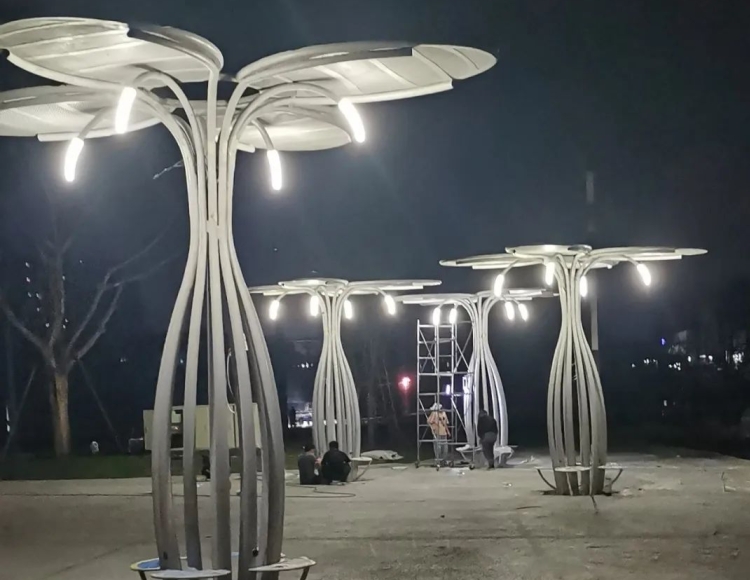
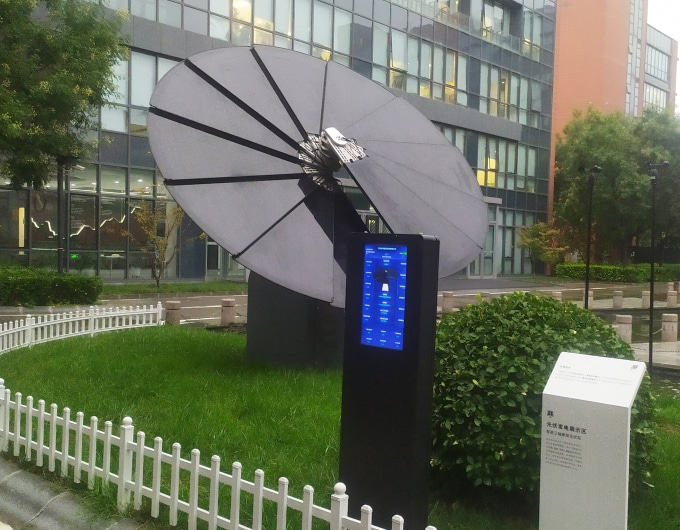
A certain city park has installed 5 2400W photovoltaic flowers, each equipped with high-performance lithium-ion battery packs and intelligent control systems. During the day, a portion of the electricity generated by photovoltaic panels is used to power the lighting and facilities in the park, while the excess is stored in battery packs. At night, the battery pack releases stored electrical energy to provide a continuous power supply for the park. Through the intelligent control system, the system can monitor and adjust the angle of the photovoltaic panels in real time, capture sunlight to the maximum extent, and improve power generation efficiency. After years of operation, these photovoltaic flowers still maintain high power generation efficiency and stable energy storage performance, proving the importance of high-quality components and intelligent control.
2. A zero carbon park project
A zero carbon project has installed 10 photovoltaic plants in the park, each with a power of 1200 watts, and is equipped with a dual axis tracking system and advanced energy management system. By regularly cleaning the photovoltaic panels and checking the electrical connections, the system maintains a stable power supply. In addition, the project has established a comprehensive recycling system to ensure that discarded photovoltaic panels can be effectively disposed of. Through the intelligent monitoring system, operation and maintenance personnel can remotely monitor the system status, timely detect and solve problems, greatly reducing the frequency and cost of on-site maintenance. After years of operation, these photovoltaic flowers still perform well, proving the importance of a reasonable installation environment and intelligent monitoring.
5、 Conclusion
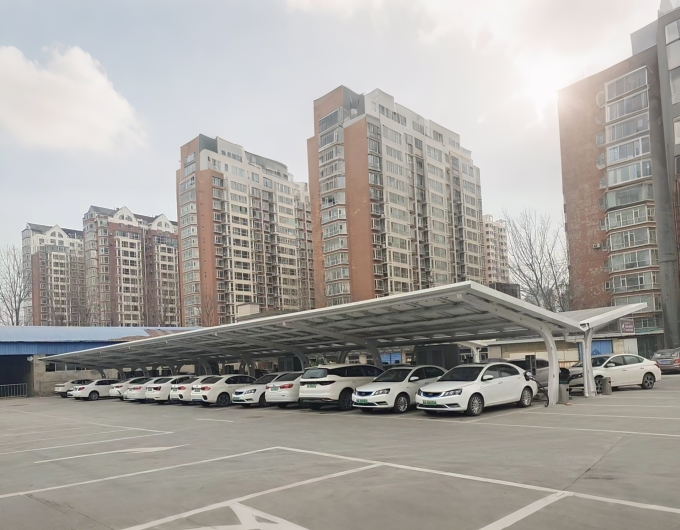
The energy storage system of photovoltaic flowers achieves efficient utilization of electrical energy and stable operation of the system through efficient energy conversion, intelligent management, and optimized scheduling. Whether in urban parks, commercial areas, or residential communities, photovoltaic flowers can be perfectly integrated, enhancing environmental beauty while providing reliable clean energy. If you would like to learn more about photovoltaic flowers and their energy storage systems, or are interested in purchasing our products, please feel free to contact us at any time. We are committed to providing you with the highest quality products and services, jointly promoting the development of green energy, and contributing to the construction of a better future. Looking forward to your inquiry!







 15373812119 (即时通话)
 (在线询价)
 15373812119 (长按复制)