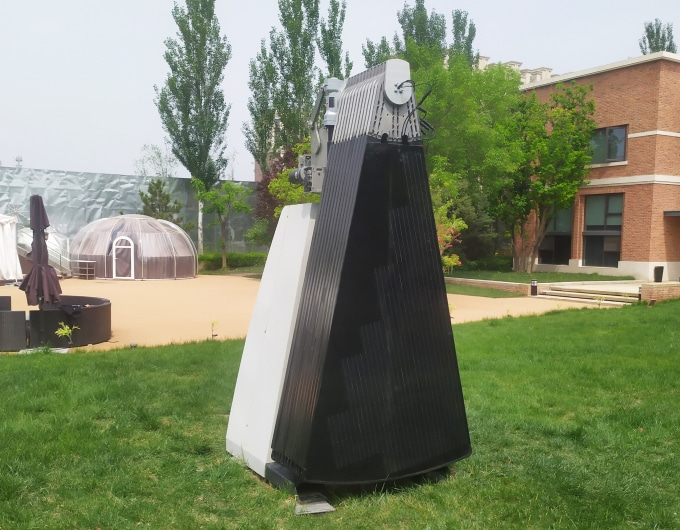
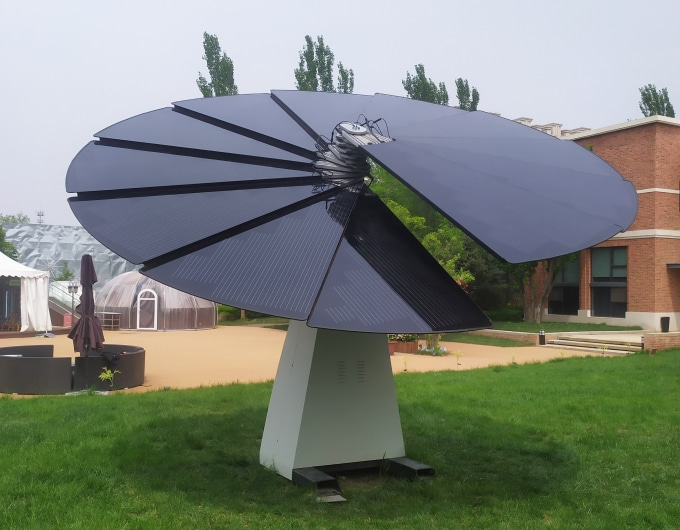
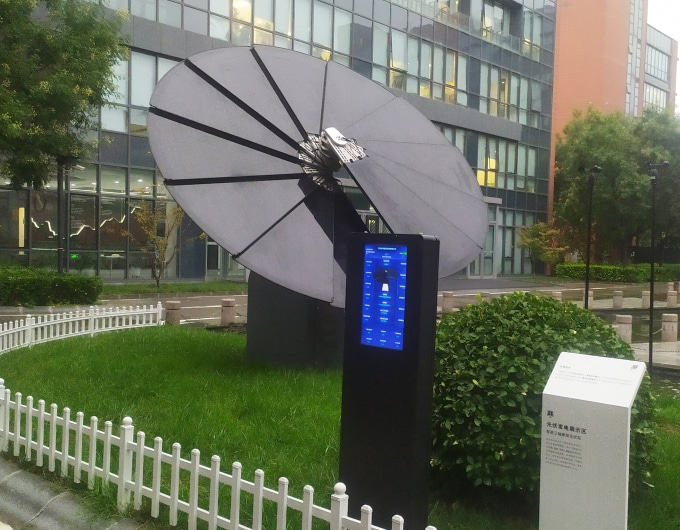
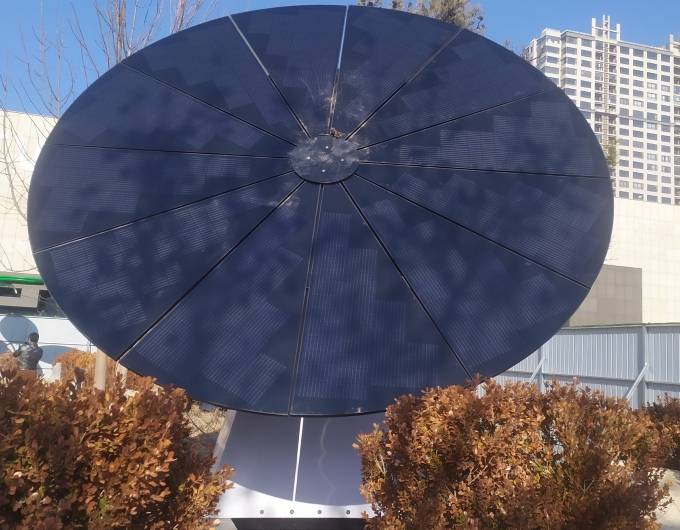
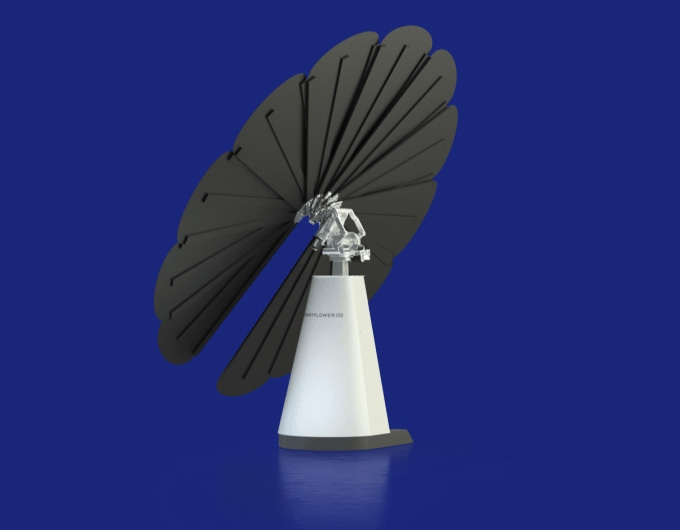
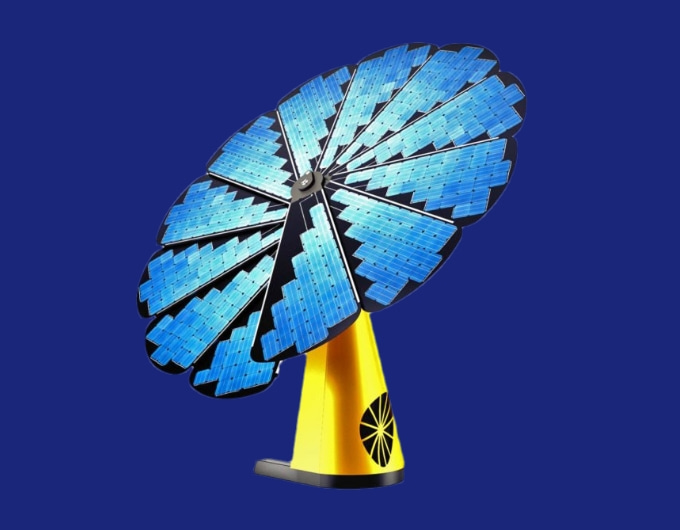
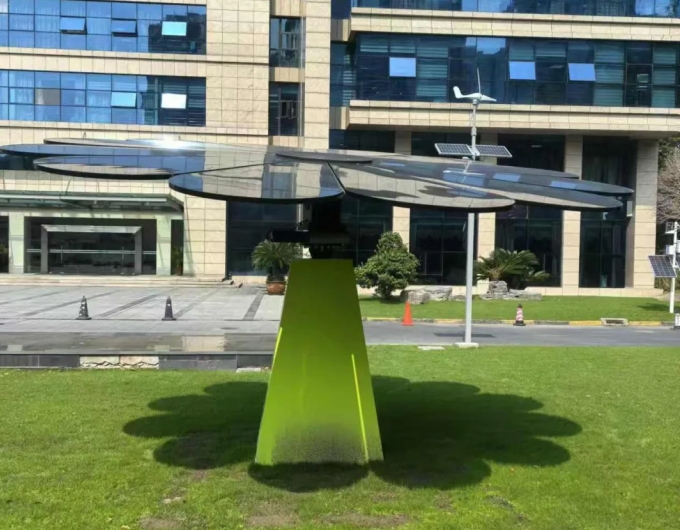
Solar power flowers, as an innovative solar energy utilization device, not only have an aesthetically pleasing design but also incorporate highly efficient energy conversion technology. While providing clean energy, they have a multi-faceted impact on the environment. This article on the Zero-Carbon Equipment Network will delve into the positive environmental impacts and potential challenges of solar power flowers, and propose corresponding optimization suggestions.
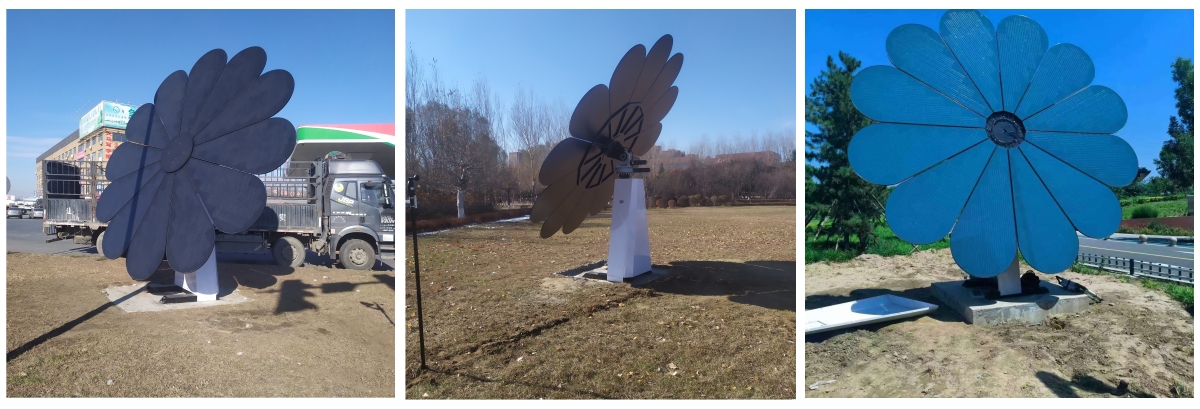
I. Positive Impacts
1. Reduction of Greenhouse Gas Emissions
- Substitution of Fossil Fuels: Solar power flowers convert solar energy into electricity, reducing the demand for fossil fuels such as coal, oil, and natural gas. The combustion of these fossil fuels releases large amounts of carbon dioxide and other greenhouse gases, exacerbating global climate change.
- Reduction of Carbon Footprint: Solar energy is a clean and renewable energy source, and its power generation process produces almost no greenhouse gases. The large-scale use of solar power flowers can significantly reduce the carbon footprint of the entire society, contributing to the achievement of the carbon neutrality goal.
2. Reduction of Air Pollution
- Reduction of Harmful Substance Emissions: Traditional thermal power plants release harmful substances such as sulfur dioxide and nitrogen oxides when burning fossil fuels, leading to environmental pollution problems such as acid rain and smog. The use of solar power flowers can effectively reduce the emissions of these pollutants and improve air quality.
- Enhancement of Residents' Health: Reducing air pollution helps to lower the incidence of respiratory and cardiovascular diseases, improving the quality of life and health of residents.
3. Conservation of Water Resources
- Low Water Consumption: Compared with traditional thermal power generation, solar power flowers require almost no water consumption during operation. Thermal power generation requires a large amount of water for the cooling system, while solar power generation does not need this process, helping to conserve precious water resources.
4. Promotion of Biodiversity
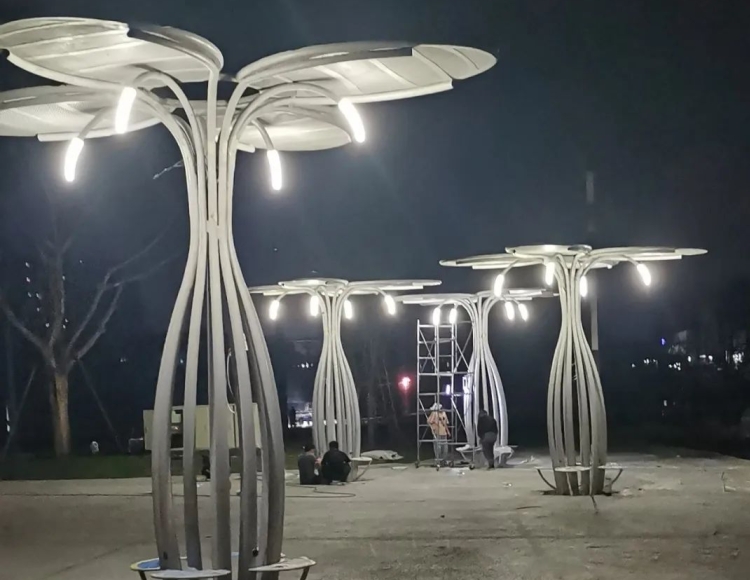
- Ecologically Friendly Design: The design of solar power flowers can take into account integration with the surrounding environment. For example, installing solar power flowers in urban parks or green spaces can not only provide clean energy but also serve as a part of the landscape, increasing ecological diversity.
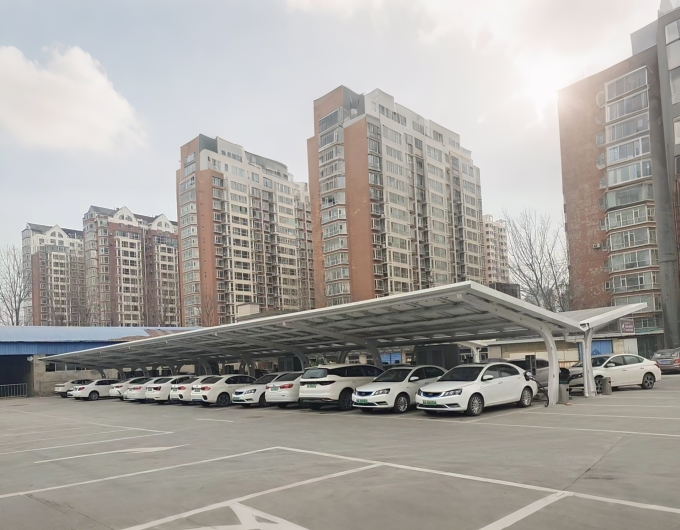
- Reduction of Land Development Pressure: Solar power flowers are usually installed on rooftops, parks, or other developed land, reducing the demand for undeveloped land and thus protecting the natural ecosystem.
II. Potential Challenges
1. Environmental Impacts during the Manufacturing Process
- Raw Material Extraction: The manufacturing of photovoltaic panels requires a large amount of raw materials such as silicon, silver, and copper. The mining and refining processes of these materials may cause certain environmental damage, including soil pollution, water resource consumption, and ecological damage.
- Energy Consumption: The production process of photovoltaic panels itself also consumes a large amount of energy, especially during high-temperature treatment and chemical reaction processes. Therefore, the carbon footprint during the manufacturing process cannot be ignored.
2. Waste Disposal
- Waste Management: The service life of photovoltaic panels is generally 20-30 years, and they need to be recycled and disposed of after expiration. If not handled properly, discarded photovoltaic panels may cause environmental pollution, especially due to the presence of heavy metals and other harmful substances in them.
- Recycling Technology: Currently, the recycling technology for photovoltaic panels is not yet mature, and the recycling cost is relatively high. Further research and development of efficient recycling technologies and the establishment of a sound recycling system are needed to reduce the environmental impact of waste.
3. Land Use Conflicts
- Land Occupancy: Although solar power flowers are usually installed on developed land, in some cases, large-scale solar power plants may require a large amount of land, which may conflict with agricultural land, ecological protection land, etc.
- Landscape Impact: In some areas, large-scale solar power facilities may affect the local landscape, triggering opposition from community residents.
III. Optimization Suggestions
1. Improving the Environmental Friendliness of the Manufacturing Process
- Green Supply Chain: Promote photovoltaic panel manufacturing enterprises to adopt green supply chain management, ensuring that all links from raw material procurement to the production process meet environmental protection standards.
- Energy Conservation and Consumption Reduction: Through technological innovation, reduce the energy consumption in the manufacturing process of photovoltaic panels and improve production efficiency.











 15373812119 (即时通话)
 (在线询价)
 15373812119 (长按复制)