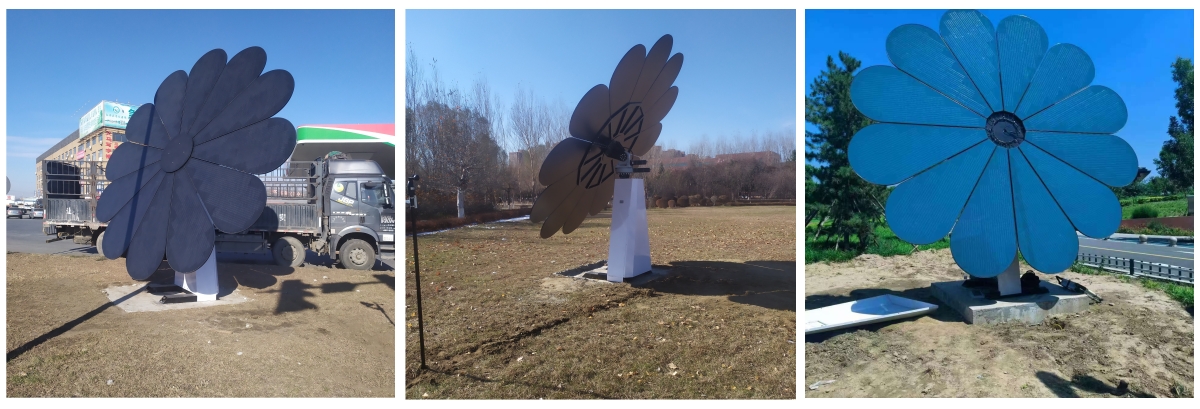
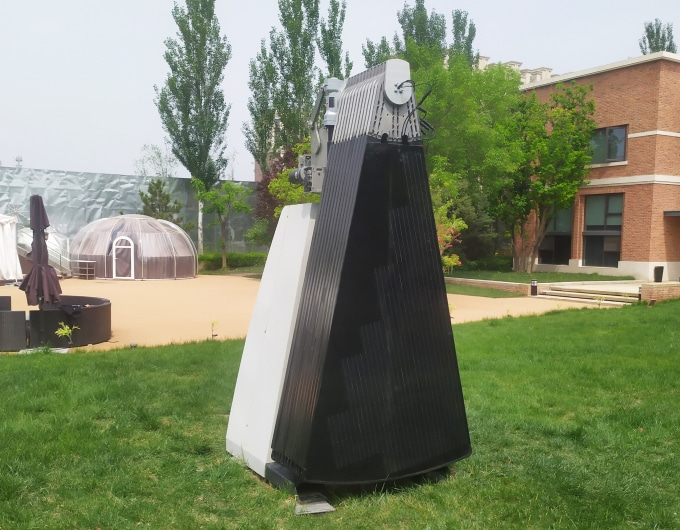
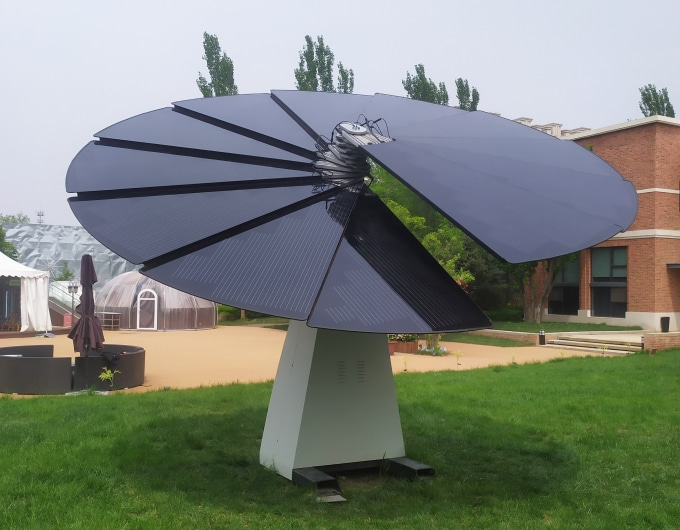
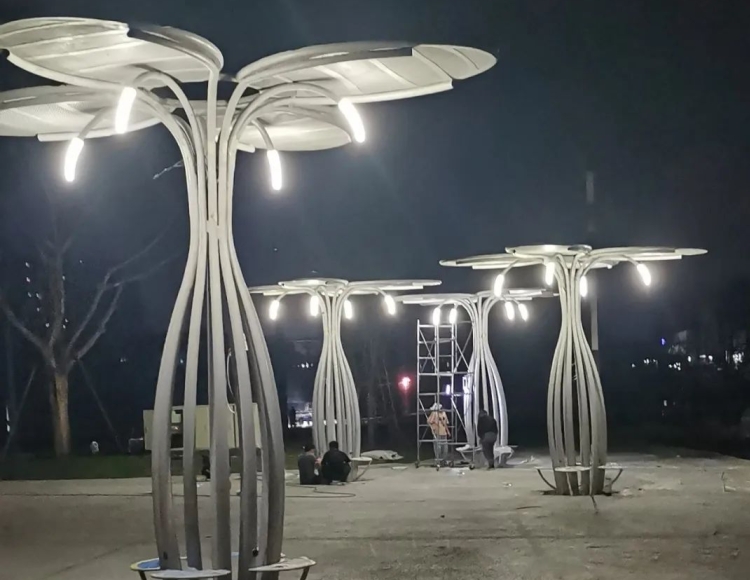
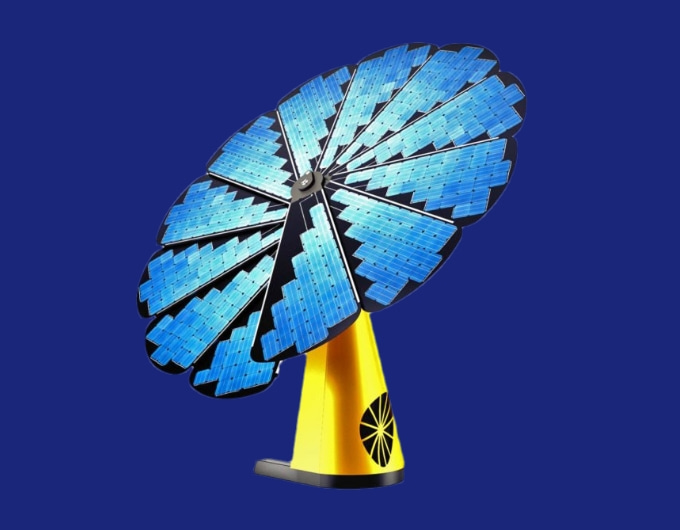
As an innovative solar energy utilization device, photovoltaic flowers not only have a beautiful design, but also combine efficient energy conversion technology. However, its maintenance cost is one of the issues that users and investors are very concerned about. This article on Zero Carbon Equipment Network will explore in detail the maintenance costs, influencing factors, and methods to reduce maintenance costs of photovoltaic flowers.
1、 Basic maintenance cost of photovoltaic flowers
The maintenance cost of photovoltaic flowers mainly includes the following aspects:
-Regular cleaning: Remove dust, dirt, and snow from the surface of photovoltaic panels.
-Electrical inspection: Check whether the electrical connections of photovoltaic panels, inverters, battery packs, etc. are firm, loose or corroded.
-Performance testing: Use professional equipment to detect the power generation and working status of the system, and promptly identify and solve potential problems.
-Component replacement: Replace damaged or aged components such as inverters, battery packs, etc.
-Intelligent monitoring: Install and maintain intelligent control systems, monitor and adjust the system's working status in real time.
2、 Factors affecting the maintenance cost of photovoltaic flowers
1. Environmental factors
-Climate conditions: In dusty, rainy, or high humidity environments, photovoltaic panels are more prone to accumulate dust and dirt, requiring more frequent cleaning. Extreme weather conditions such as strong winds and lightning can also cause system failures and increase maintenance frequency.
-Geographic location: Photovoltaic flowers located in industrial areas or city centers require more frequent cleaning due to heavy air pollution. In remote areas, although the environment is better, the transportation costs for maintenance personnel may be higher.
2. System design and quality
-Material quality: High quality photovoltaic panels and other components can significantly reduce failure rates, extend service life, and thus reduce maintenance costs.
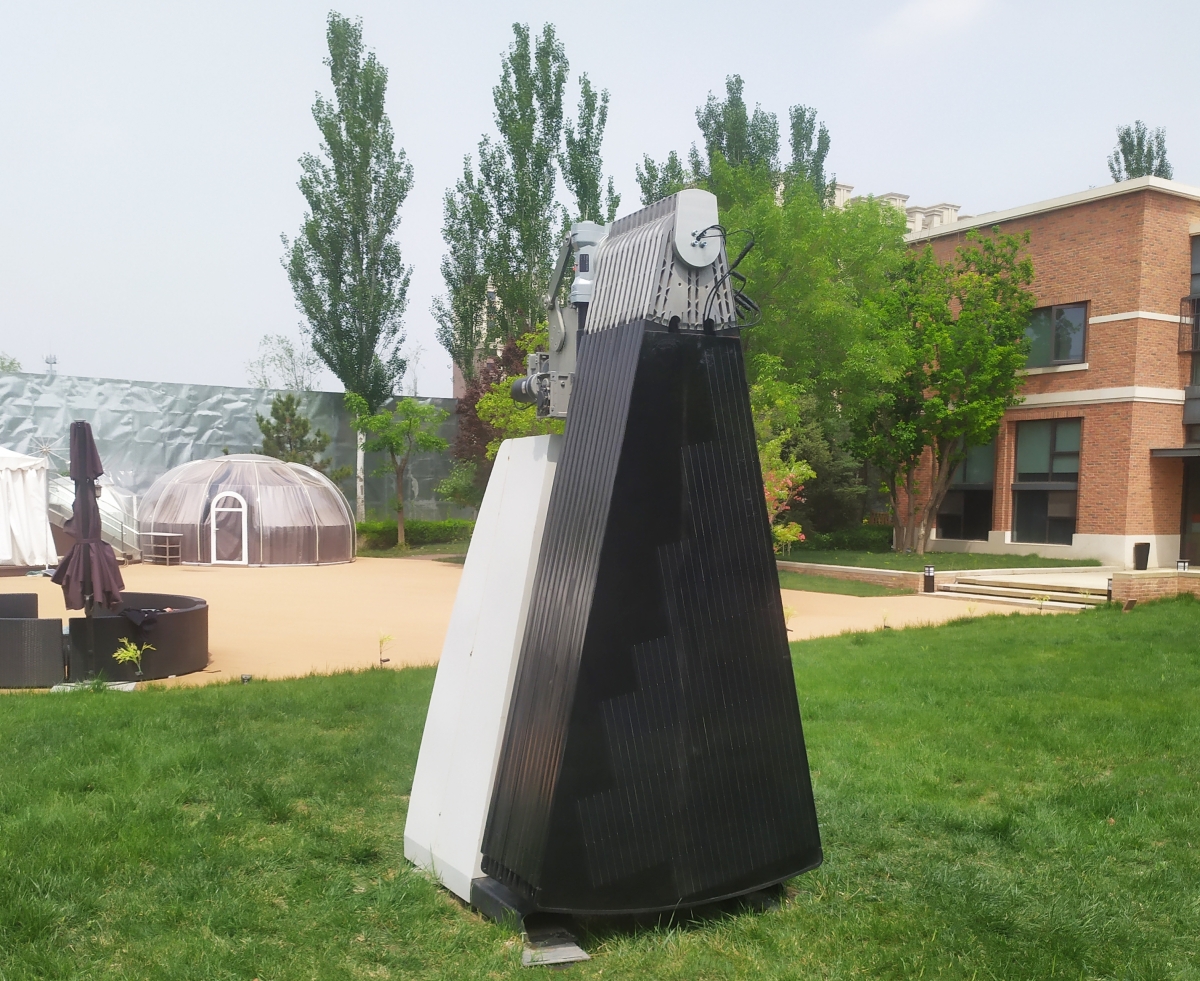
-Design rationality: Reasonable system design can reduce the occurrence of failures. For example, adopting a dual axis tracking system can improve power generation efficiency, but at the same time increases the complexity of mechanical components, which may require more maintenance.
-Intelligent control system: The intelligent control system can monitor and adjust the working status of the system in real time, optimize operating parameters, reduce the occurrence of faults, and thus reduce maintenance costs.
3. Maintenance frequency and methods
-Regular maintenance: Regular cleaning and inspection can detect and solve problems in a timely manner, avoiding small problems from becoming major failures, thereby reducing overall maintenance costs.
-Professional maintenance: Hire a professional maintenance team to conduct regular inspections and maintenance. Although the initial cost is high, it can ensure the long-term stable operation of the system, which is more economical in the long run.
3、 Methods to reduce the maintenance cost of photovoltaic flowers
1. Choose high-quality components
-Photovoltaic panels: Choose efficient and durable photovoltaic panels, such as monocrystalline silicon or polycrystalline silicon photovoltaic panels, which have high photoelectric conversion efficiency and long service life.
-Inverter: Choose inverters with good brand reputation and stable performance to ensure their long-term stable operation.
-Battery Pack: Choose high-quality battery packs, such as lithium-ion batteries, with high energy density and long cycle life.
2. Regular maintenance and upkeep
-Cleaning photovoltaic panels: Regularly clean the surface of the photovoltaic panels with clean water and a soft cloth to remove dust and dirt. Avoid using corrosive cleaning agents to prevent damage to the photovoltaic panels.
-Check electrical connections: Regularly inspect the electrical connections between photovoltaic panels, inverters, and battery packs to ensure that the connections are firm, free from looseness or corrosion.
-Testing system performance: Regularly use professional equipment to test the power generation and working status of the system, promptly identify and solve potential problems.
3. Optimize installation environment
-Reasonable site selection: Choose a location with sufficient lighting and good ventilation to install photovoltaic flowers, avoiding obstructions and high humidity environments.
-Windproof design: Using sturdy brackets and structures to ensure stable operation of photovoltaic panels under strong wind conditions.
-Lightning protection measures: Install lightning rods and surge protectors to effectively prevent lightning damage to photovoltaic panels and electrical equipment.
4. Intelligent monitoring and management
-Data collection: Real time environmental data and system operation data are collected through sensors to provide a basis for subsequent analysis.
-Data analysis: Using intelligent control systems to analyze and process data, predict the working status and potential problems of the system.
-Remote monitoring: Through wireless communication modules, system status and data are transmitted to the cloud or user terminals to achieve remote monitoring and management.
4、 Actual case analysis
1. A certain city park project
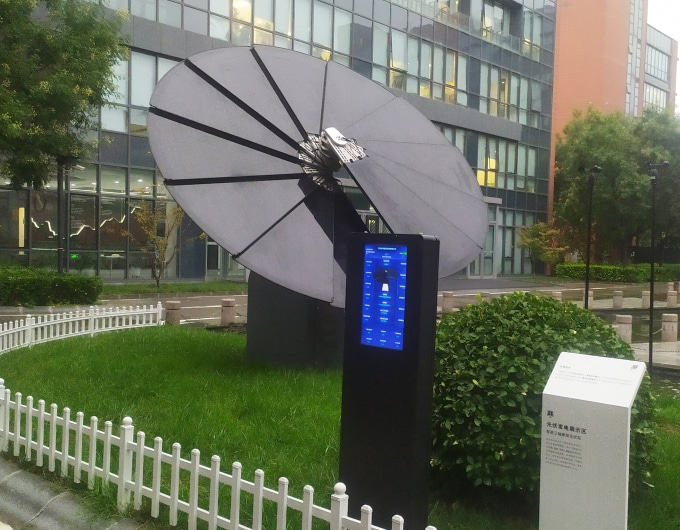
A certain city park has installed three 1200W photovoltaic flowers, each equipped with a dual axis tracking system and an automatic cleaning system. The project adopts high-quality photovoltaic panels and inverters, and undergoes regular maintenance and upkeep. Through the intelligent control system, the system can monitor and adjust the angle of the photovoltaic panels in real time, capture sunlight to the maximum extent, and improve power generation efficiency. After years of operation, these photovoltaic flowers still maintain high power generation efficiency, proving the importance of high-quality components and regular maintenance. In addition, the automatic cleaning system reduces the frequency of manual cleaning and lowers maintenance costs.
2. A commercial building project
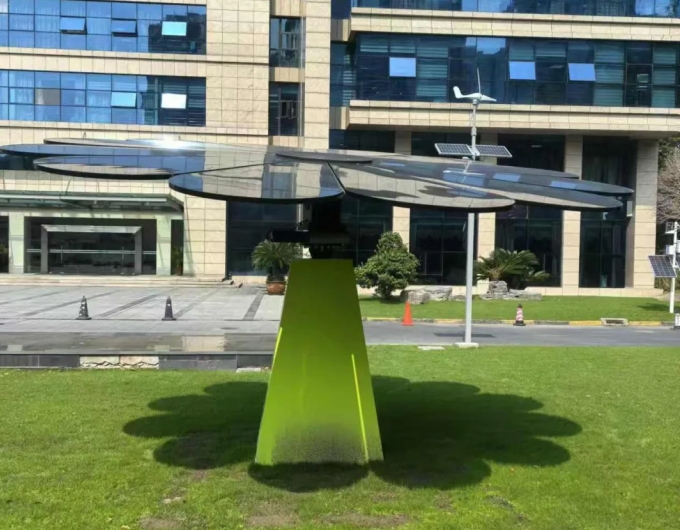
A commercial building has installed two photovoltaic plants in its park, each with a power of 1400 watts. The system adopts a single axis tracking system and advanced energy management system. By regularly cleaning the photovoltaic panels and checking the electrical connections, the system maintains a stable power supply. In addition, the project has established a comprehensive recycling system to ensure that discarded photovoltaic panels can be effectively disposed of. After years of operation, these photovoltaic flowers still perform well, proving the importance of a reasonable installation environment and intelligent monitoring. Through the intelligent monitoring system, operation and maintenance personnel can remotely monitor the system status, timely detect and solve problems, greatly reducing the frequency and cost of on-site maintenance.
5、 Future Development Trends
1. Technological innovation
-More efficient photovoltaic materials: With the development of new materials such as perovskite solar cells, future photovoltaic flowers will have higher photoelectric conversion efficiency and be able to maintain high power generation efficiency under various weather conditions.
-Adaptive control technology: By utilizing artificial intelligence algorithms, weather changes and sun position can be predicted more accurately, further optimizing the system's operational strategy and improving overall performance.
2. Cost reduction
-Scale production: With the growth of market demand, scale production will further reduce costs and make photovoltaic flowers more popular.
-Policy support: The government will continue to introduce more incentive policies, such as tax reductions, subsidies, etc., to promote the development of photovoltaic flowers.
3. Multi functional integration
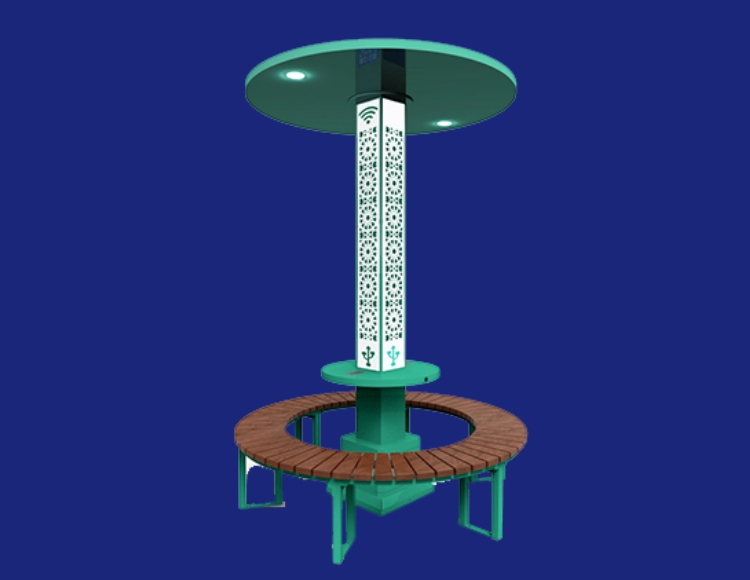
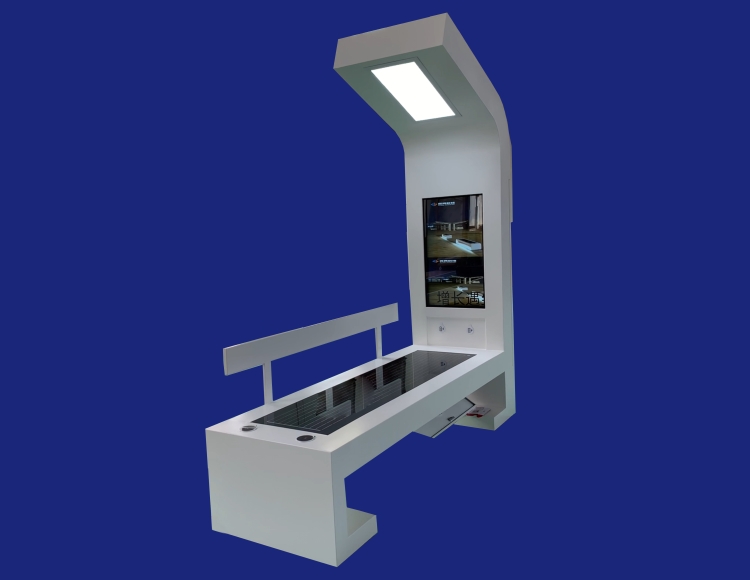
-Integrated service station: In the future, photovoltaic plants will not only be power generation devices, but also integrate more functions such as Wi Fi hotspots, emergency call buttons, environmental monitoring sensors, etc., becoming multifunctional urban service terminals.
-Smart Home Integration: Photovoltaic flowers can be integrated with smart home systems to achieve intelligent management of household energy and further enhance user experience.
6、 Conclusion
The maintenance cost of photovoltaic flowers is influenced by various factors, including environmental conditions, system design and quality, maintenance frequency and methods, etc. By selecting high-quality components, regular maintenance and upkeep, optimizing installation environments, and adopting intelligent monitoring and management technologies, maintenance costs can be significantly reduced. In the future, with the advancement of technology and policy support, photovoltaic flowers will be widely applied in more fields, contributing to the construction of green and smart cities.








 15373812119 (即时通话)
 (在线询价)
 15373812119 (长按复制)