As an innovative solar energy utilization device, the performance of solar power plant is significantly affected by weather conditions. Different weather conditions, such as sunny, cloudy, rainy, snowy and extreme weather, will have different degrees of impact on the power generation efficiency and system stability of solar power plants. In this paper, the Zero Carbon Equipment network will discuss the performance of solar power plants in different weather conditions in detail, and provide corresponding optimization strategies.

1. Sunny Day
1. Performance
- High power generation efficiency: in clear weather conditions, the solar radiation intensity is high, the photovoltaic panel can receive sufficient sunlight, and the photoelectric conversion efficiency is high. Therefore, sunny days are the most efficient time for solar power generation.
- Temperature impact: Although sunlight is abundant on sunny days, high temperatures may affect the performance of photovoltaic panels. The photoelectric conversion efficiency of photovoltaic panels will decrease with the increase of temperature, especially in the summer high temperature, heat dissipation measures need to be taken to maintain the best working condition.
2. Optimize strategies
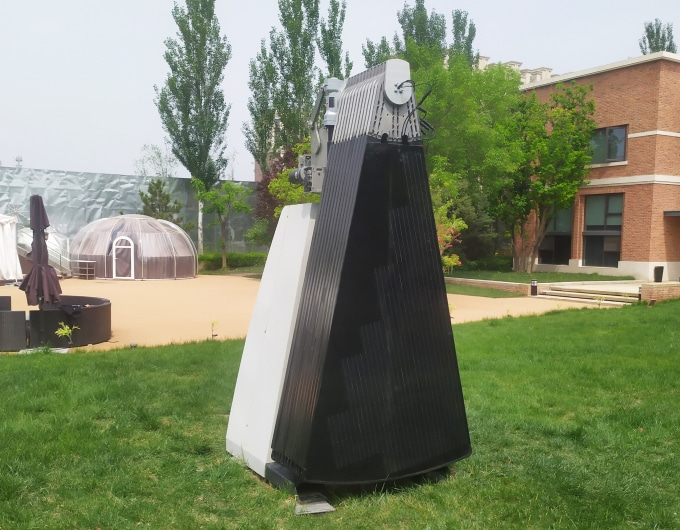
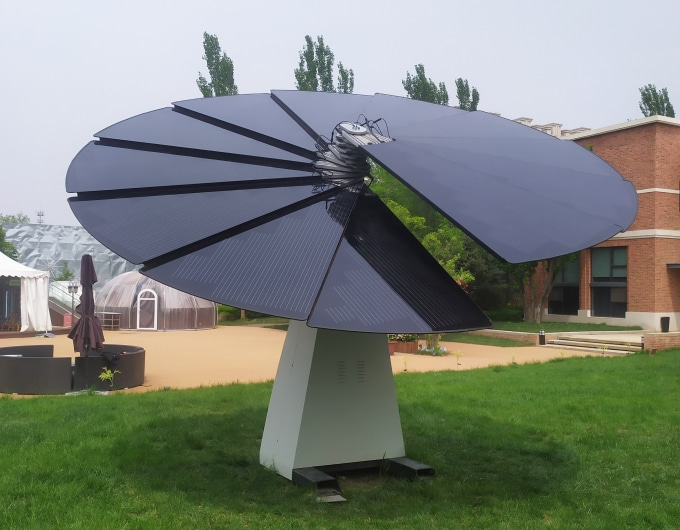
- Automatic tracking system: The dual-axis tracking system enables the photovoltaic panel to adjust the Angle in real time to maximize the capture of sunlight and improve the efficiency of power generation.
- Heat dissipation design: By optimizing the heat dissipation design of photovoltaic panels, such as increasing heat sinks or using cooling systems, reducing the operating temperature of photovoltaic panels and maintaining efficient photoelectric conversion.
2. Cloudy days
1. Performance
- Lower power generation efficiency: on cloudy days, clouds block part of the sun, resulting in reduced solar radiation intensity, and the power generation efficiency of photovoltaic panels will also decline accordingly. However, even on cloudy days, the photovoltaic panel can still receive scattered light, thus generating a certain amount of electricity.
- Unstable power generation: Due to the constant change of clouds, the light intensity on cloudy days is unstable, resulting in large fluctuations in power generation.
2. Optimize strategies
- Energy storage system: equipped with efficient energy storage battery packs to store excess electrical energy for use at night or on cloudy days. This can ensure a stable power supply when the light is insufficient.
- Intelligent control system: Through intelligent control system, real-time monitoring of light intensity and power generation, dynamic adjustment of system operation mode, optimize energy management.
3. Rainy Days
1. Performance
Low power generation efficiency: On rainy days, clouds and rain will further reduce the sunlight reaching the photovoltaic panel, resulting in a significant decrease in power generation efficiency. In addition, rain may form a water film on the surface of the photovoltaic panel, affecting the photoelectric conversion efficiency.
- Cleaning effect: Although the power generation efficiency is lower in rainy days, rain can help clean the surface of the photovoltaic panel, remove dust and dirt, and help improve the subsequent power generation efficiency.
2. Optimize strategies
- Waterproof design: Ensure that photovoltaic panels and electrical equipment have good waterproof performance to prevent rainwater infiltration leading to short circuit or other failures.
- Automatic cleaning system: Integrated automatic water cleaning system, combined with the natural cleaning effect of rainwater, regularly clean the photovoltaic panel to keep its surface clean.
4. Snowy days
1. Performance
- Very low power generation efficiency: on snow days, snow will cover the surface of the photovoltaic panel, completely blocking sunlight, resulting in a sharp decline in power generation efficiency. Even if the weather clears up after the snow, it takes some time for the snow to melt, affecting the power generation.
- Structural safety: The weight of the snow may cause additional stress on the photovoltaic panels and brackets, and the safety of the structure needs to be considered.
2. Optimize strategies
- Snow protection design: The installation of photovoltaic panels with a large tilt Angle helps the snow to slide naturally. At the same time, choose low-temperature resistant materials to ensure that they can still work normally under cold conditions.
Snow removal system: Equipped with automatic snow removal systems, such as heating elements or mechanical snow removal devices, to remove snow in time and restore the power generation capacity of photovoltaic panels.
5. Extreme weather
1. Performance
- Windy and sandy weather: Strong winds and dust storms can cause the surface of photovoltaic panels to be covered with dust, affecting the photoelectric conversion efficiency. In addition, strong winds may also cause damage to photovoltaic panels and supports.
- Lightning weather: Lightning may cause serious damage to photovoltaic panels and electrical equipment, and even cause safety accidents such as fire.
2. Optimize strategies
- Wind resistant design: The strong bracket and structure ensure that the photovoltaic panel can still work stably under strong wind conditions. At the same time, check and maintain the support regularly to ensure that it is firm and reliable.
- Lightning protection measures: Install lightning rods and surge protectors to effectively prevent lightning damage to photovoltaic panels and electrical equipment. At the same time, ensure that the grounding system is good to improve the lightning resistance of the system.
6. Practical case analysis
1. A city park project
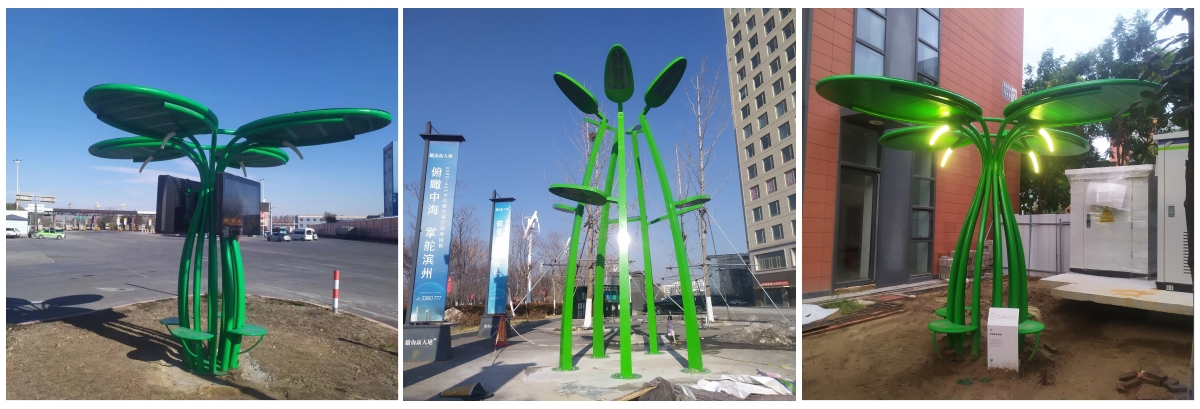
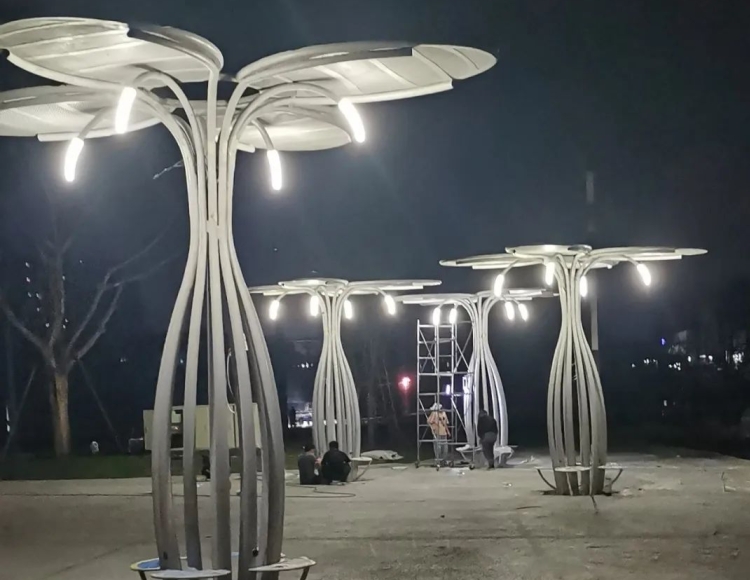
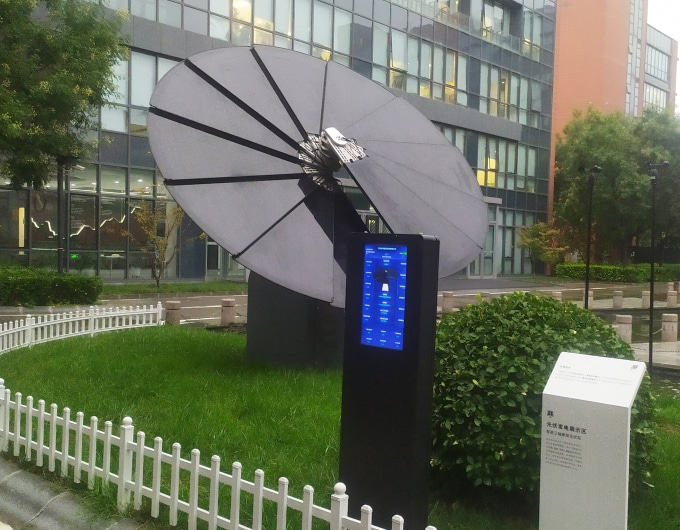
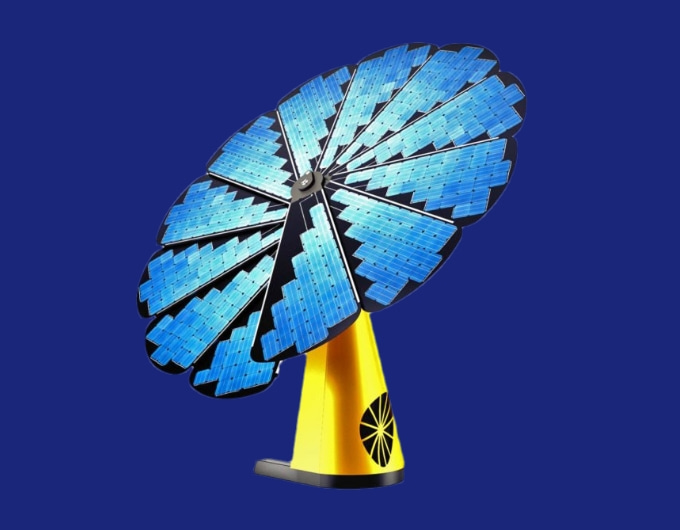
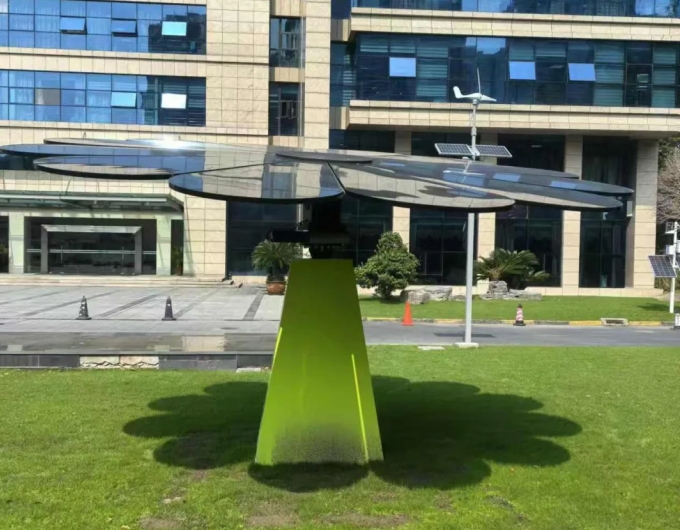
A city park has installed five solar power plants, each equipped with a two-axis tracking system and automatic cleaning system. On sunny days, these solar flowers are able to capture sunlight efficiently, and the power generation efficiency reaches its peak. On cloudy and rainy days, the system can maintain a stable power supply through the energy storage system and intelligent control system. Especially on snow days, the automatic snow removal system played an important role in removing snow in time and restoring the power generation capacity of photovoltaic panels. The project not only enhances the green image of the park, but also significantly reduces energy costs.
2. A commercial building project
A commercial building installed six solar power plants in its park, each with a power of 2.4 kilowatts. The system uses a single-axis tracking system and an advanced energy management system. On sunny days, the system is able to generate electricity efficiently, while on cloudy and rainy days, the energy storage battery pack and intelligent control system ensure a stable power supply. Especially in windy and sandy weather, the sturdy stand and automatic cleaning system effectively deal with the problem of dust cover. The project not only reduces the energy costs of commercial buildings, but also promotes the environmental image of the company.
Vii. Future Development Trend
1. Technological innovation
- More efficient photovoltaic materials: With the development of new materials such as perovskite solar cells, future solar power plants will have higher photoelectric conversion efficiency and can maintain high power generation efficiency under various weather conditions.
- Adaptive control technology: The use of artificial intelligence algorithms can more accurately predict weather changes and the position of the sun, further optimize the operation strategy of the system, and improve the overall performance.
2. Cost reduction
- Large-scale production: With the growth of market demand, large-scale production will bring further cost reduction, making solar power generation more popular.
- Policy support: The government will continue to introduce more incentive policies, such as tax breaks, subsidies, etc., to promote the development of solar power generation.
3, multi-function integration
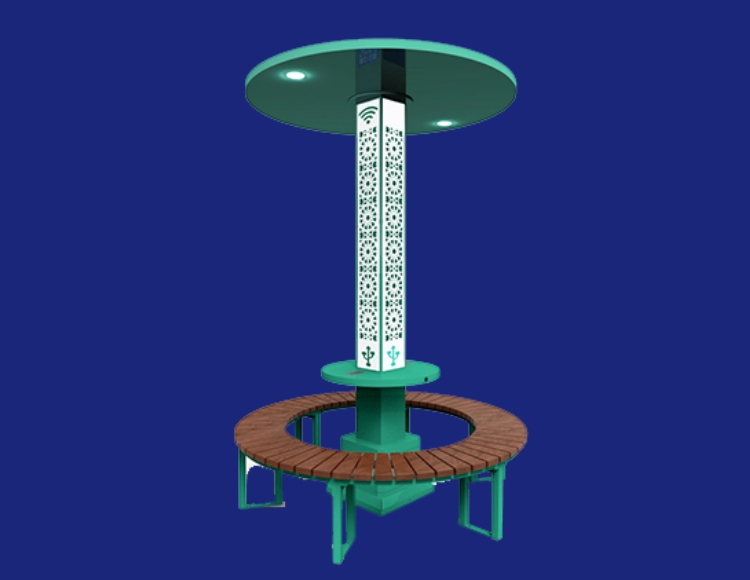
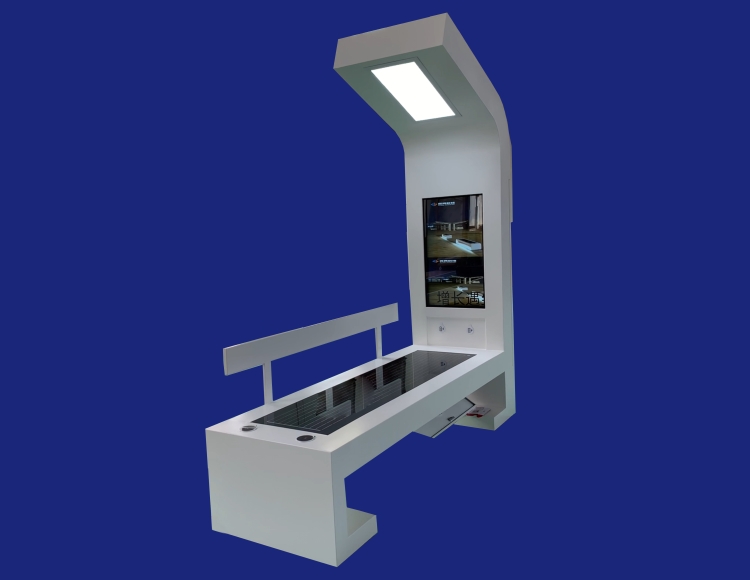
Integrated service stations: Future solar power plants will not only be power generation devices, but also integrate more functions, such as Wi-Fi hotspots, emergency call buttons, environmental monitoring sensors, etc., to become multi-functional urban service terminals.
Smart home integration: Solar power plants can be integrated with smart home systems to achieve intelligent management of home energy and further enhance the user experience.
Viii. Conclusion
The performance of solar power plants in different weather conditions is affected by many factors, including light intensity, temperature, humidity and so on. Through the use of intelligent control systems, energy storage systems, automatic cleaning systems and optimized design, the performance of solar power plants in various weather conditions can be significantly improved. In the future, with the continuous progress of technology and the gradual reduction of costs, solar power plants will be widely used in more fields, contributing to the construction of green and smart cities.







 15373812119 (即时通话)
 (在线询价)
 15373812119 (长按复制)