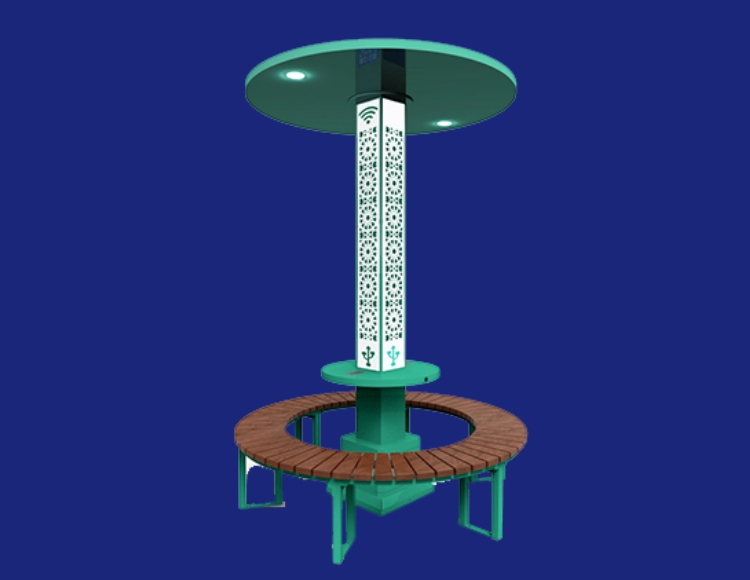
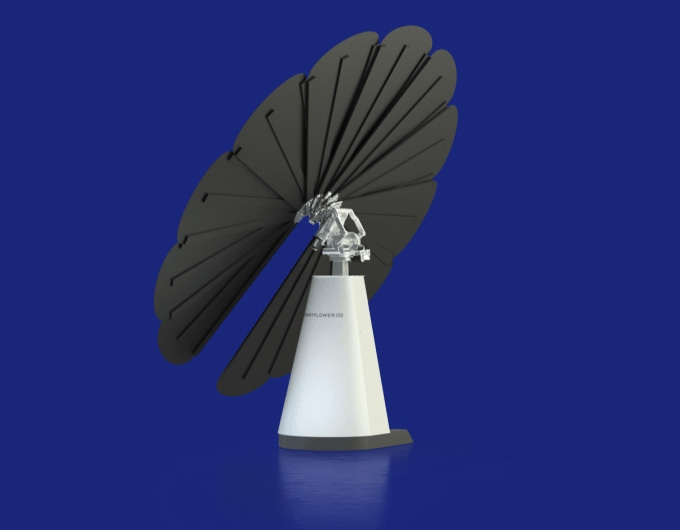
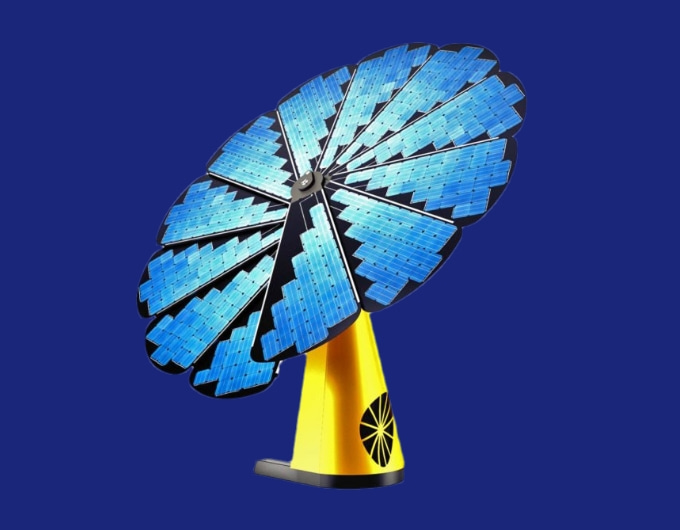
As an innovative solar energy utilization device, solar power flower not only has a beautiful design, but also combines efficient energy conversion technology. In order to further improve its performance and user experience, the application of intelligent control technology has become particularly important. This paper will introduce in detail how to achieve intelligent control of solar power plants, including its technical principles, key components, application scenarios and future development trends.

First, the technical principle of intelligent control
The intelligent control system of the solar power plant through the integration of sensors, controllers, actuators and communication modules and other components, to achieve the automatic adjustment of the photovoltaic panel Angle, real-time monitoring of system status and remote management and other functions. Specifically, the intelligent control system works as follows:
- Data acquisition: real-time acquisition of environmental data through various sensors (such as light intensity sensors, temperature sensors, wind speed sensors, etc.).
- Data analysis: The controller analyzes and processes the collected data and calculates the optimal PV panel Angle and system operation parameters according to the preset algorithm and model.
- Executive control: The controller automatically adjusts the Angle of the photovoltaic panel to maximize sunlight capture by driving actuators such as motors.
- Remote monitoring and management: Transmit system status and data to the cloud or user terminal through wireless communication modules (such as Wi-Fi, 4G/5G, LoRa, etc.) to achieve remote monitoring and management.
2. Key components
1. Sensor
- Light intensity sensor: Used to detect the intensity and direction of sunlight to help the system determine the best photovoltaic panel Angle.
- Temperature sensor: monitor the temperature of the photovoltaic panel to prevent overheating from affecting the efficiency of power generation.
- Wind speed sensor: detects wind speed to ensure timely adjustment of photovoltaic panel Angle under strong wind conditions to avoid damage.
- Humidity sensor: Monitors the ambient humidity and provides reference data for the cleaning system.
2. Controller
- Master controller: is responsible for receiving sensor data, performing algorithm calculations, and sending control instructions to the actuator.
- Auxiliary controller: used to control specific functions, such as charge management, LED lighting control, etc.
3. Actuator
- Motor: Used to adjust the Angle of the photovoltaic panel, usually using a stepper motor or servo motor, with high precision and reliability.
- Transmission mechanism: connects the motor and photovoltaic panel to achieve precise Angle adjustment.
4. Communication module
- Wireless communication module: through Wi-Fi, 4G/5G, LoRa and other technologies to achieve remote data transmission and system monitoring.
- Wired communication module: In some cases, wired communication mode (such as RS485, CAN bus, etc.) can also be used for data transmission.
5. Energy management system
- Energy storage system: equipped with a battery pack to store excess electrical energy for use at night or on cloudy days.
- Charge and discharge controller: manages the charge and discharge process of the battery to extend the battery life.
Third, the specific application of intelligent control
1. Automatic tracking system
Single-axis tracking: The photovoltaic panel only adjusts the Angle in one direction (usually east-west), which is suitable for areas with longer sunshine hours and less variation.
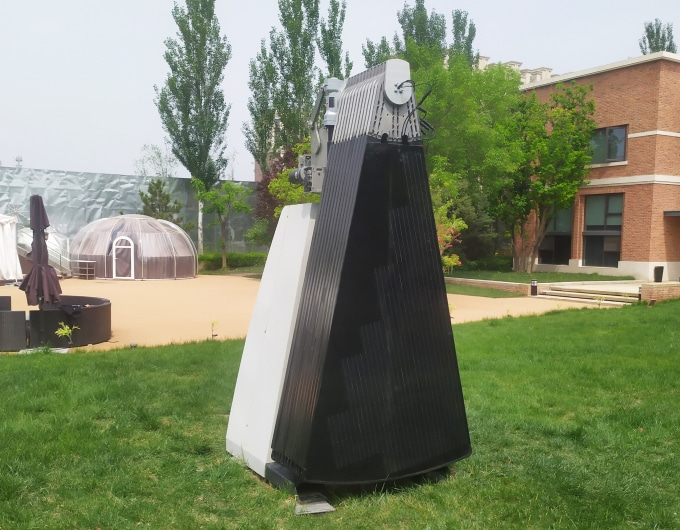
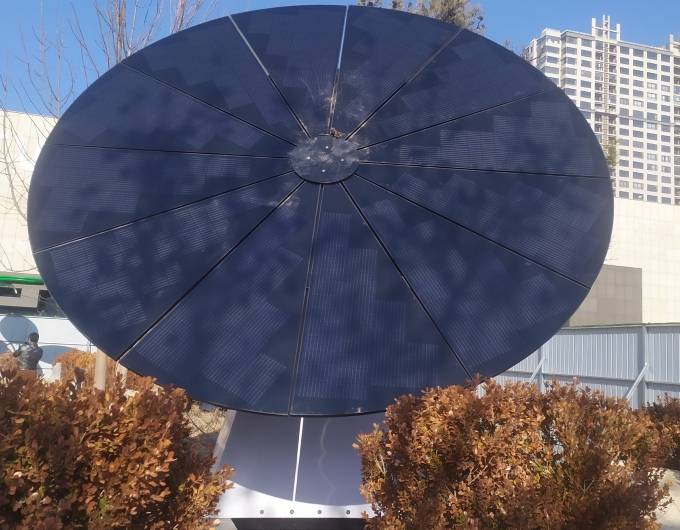
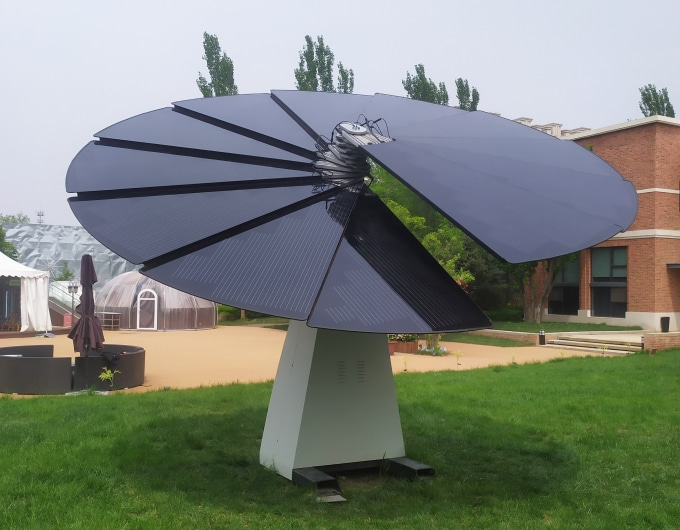
Dual-axis tracking: photovoltaic panels can be angled in two directions (east-west and north-south) to more precisely follow the position of the sun and improve power generation efficiency.
2, remote monitoring and management
- Data visualization: Through mobile applications or web interfaces, users can view the system's power generation, power storage, device status and other information in real time.
- Fault alarm: When the system fails or is abnormal, the controller will automatically send alarm information to the user terminal to remind the user to deal with it in time.
- Remote control: Users can remotely control the operating status of the system through mobile phones or computers, such as turning on or off the lighting, adjusting the Angle of the photovoltaic panel, etc.
3, intelligent cleaning system
- Automatic water spraying cleaning: integrated water spraying system regularly cleans the photovoltaic panel to keep its surface clean and improve the photoelectric conversion efficiency.
- Brush cleaning: Dust and dirt on the photovoltaic panel are automatically removed by robotic arms and brushes.
4. Environmental adaptability
- Bad weather protection: When extreme weather (such as strong winds, heavy rain, hail, etc.) comes, the system will automatically adjust the Angle of the photovoltaic panel to protect the equipment from damage.
- Adaptive adjustment: Automatically adjusts the working mode of the system according to seasonal and weather changes to optimize power generation efficiency.
Iv. Actual case analysis
1. Urban Park Project
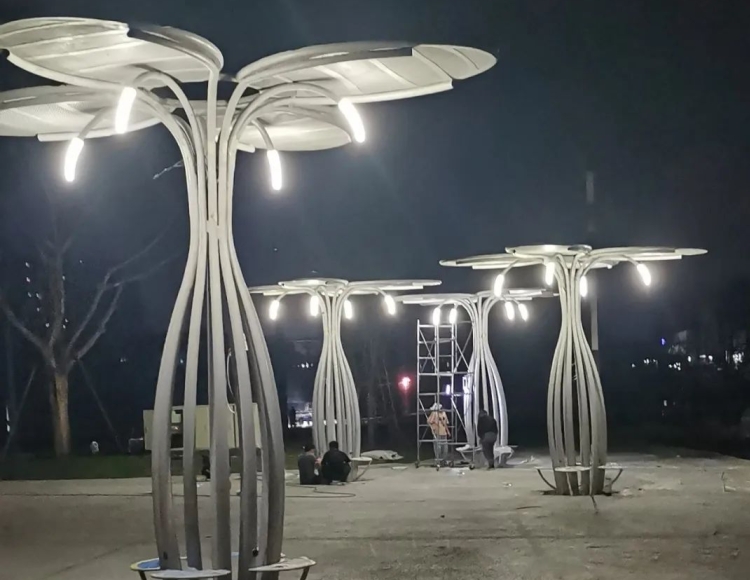
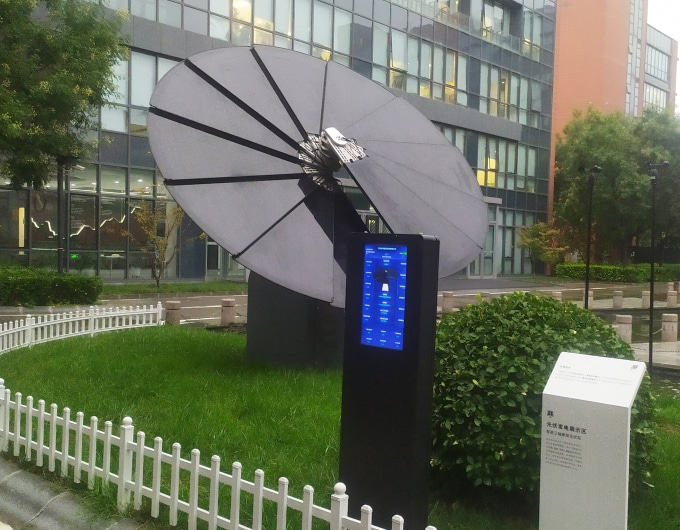
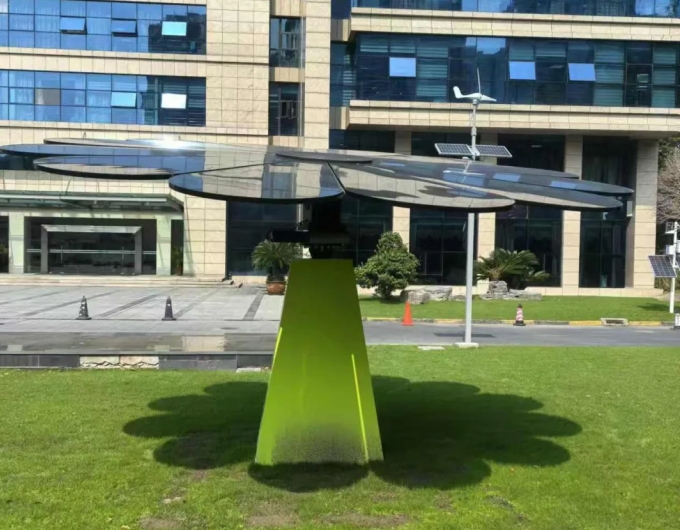
A city park has installed five solar power plants, each equipped with a two-axis tracking system and automatic cleaning system. With an intelligent control system, these solar power plants can automatically adjust their angles throughout the day to maximize sunlight capture. In addition, the system integrates environmental sensors to monitor temperature, humidity and light intensity in real time, providing data support to park authorities. Through the mobile application, managers can check the operating status of the system at any time and carry out remote control. The project significantly enhances the green image of the park, while also saving a lot of money on electricity bills.
2. Commercial building projects
A commercial building installed 10 solar power plants on its roof, each with a power of 1.4 kilowatts. The system uses a single-axis tracking system and an advanced energy management system. Through intelligent control systems, these solar power plants can automatically adjust their angles according to the position of the sun, improving power generation efficiency. At the same time, the system is also equipped with an energy storage battery pack to store excess electricity for use at night or on cloudy days. Through the wireless communication module, system data is transmitted to the cloud in real time, and users can check the operating status of the system through mobile phone applications or web interfaces, and perform remote management. The project not only reduces the energy costs of commercial buildings, but also promotes the environmental image of the company.
5. Future Development Trend
1. Technological innovation
- More efficient photovoltaic materials: With the development of new materials such as perovskite solar cells, future solar power plants will have higher photoelectric conversion efficiency.
Artificial intelligence algorithms: Using artificial intelligence algorithms, weather changes and the position of the sun can be predicted more accurately, and the operation strategy of the system can be further optimized.
- Internet of Things technology: The application of Internet of Things technology will further enhance the intelligent level of the system and achieve more functional integration and remote management.
2. Cost reduction
- Large-scale production: With the growth of market demand, large-scale production will bring further cost reduction, making solar power generation more popular.
- Policy support: The government will continue to introduce more incentive policies, such as tax breaks, subsidies, etc., to promote the development of solar power generation.
3, multi-function integration
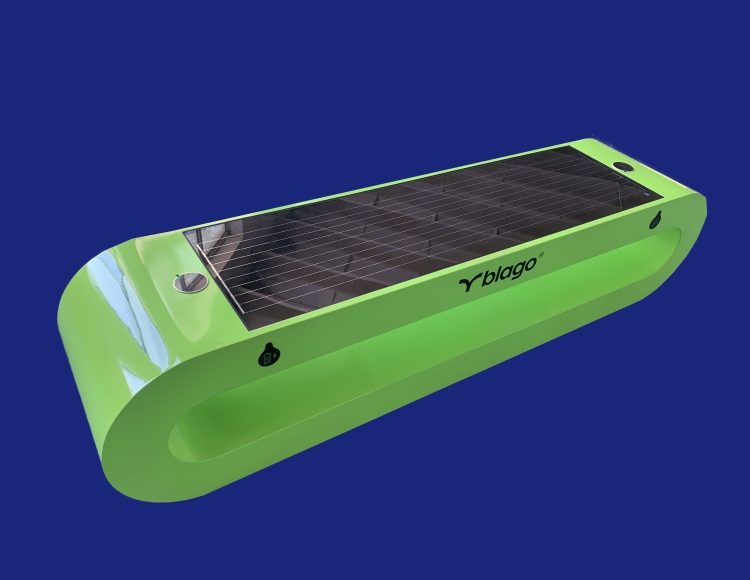
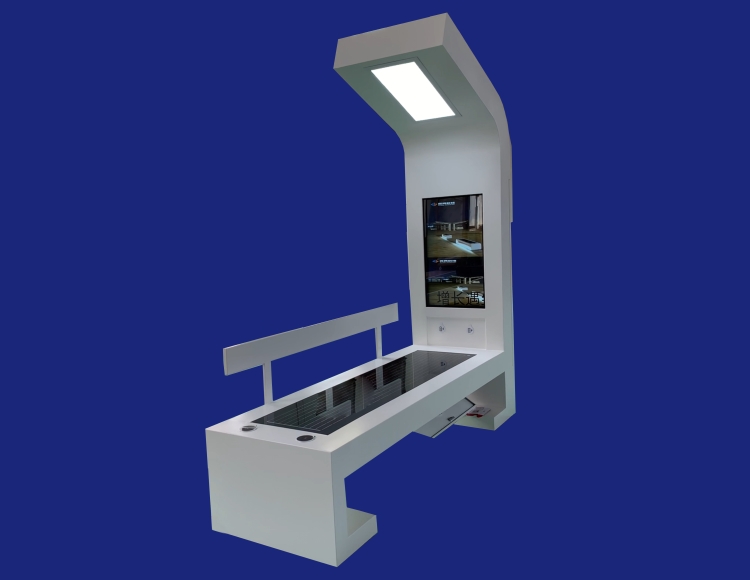
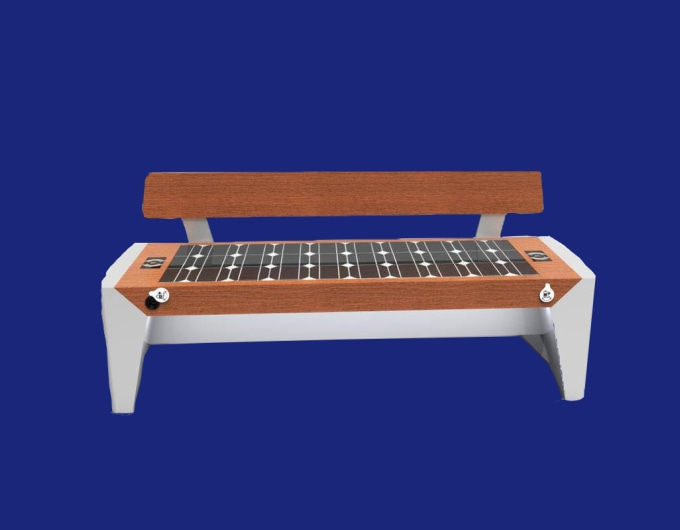
Integrated service stations: Future solar power plants will not only be power generation devices, but also integrate more functions, such as Wi-Fi hotspots, emergency call buttons, environmental monitoring sensors, etc., to become multi-functional urban service terminals.
Smart home integration: Solar power plants can be integrated with smart home systems to achieve intelligent management of home energy and further enhance the user experience.
Vi. Conclusion
Through the application of intelligent control technology, solar power plants achieve efficient, reliable and convenient energy management. From data acquisition, data analysis, executive control to remote monitoring and management, the intelligent control system provides a full range of support for solar power generation. With the continuous progress of technology and the gradual reduction of costs, solar power plants will be widely used in more fields, contributing to the construction of green and smart cities. In the future, through technological innovation and policy support, solar power generation is expected to become an important part of clean energy and promote the process of sustainable development.





 15373812119 (即时通话)
 (在线询价)
 15373812119 (长按复制)